
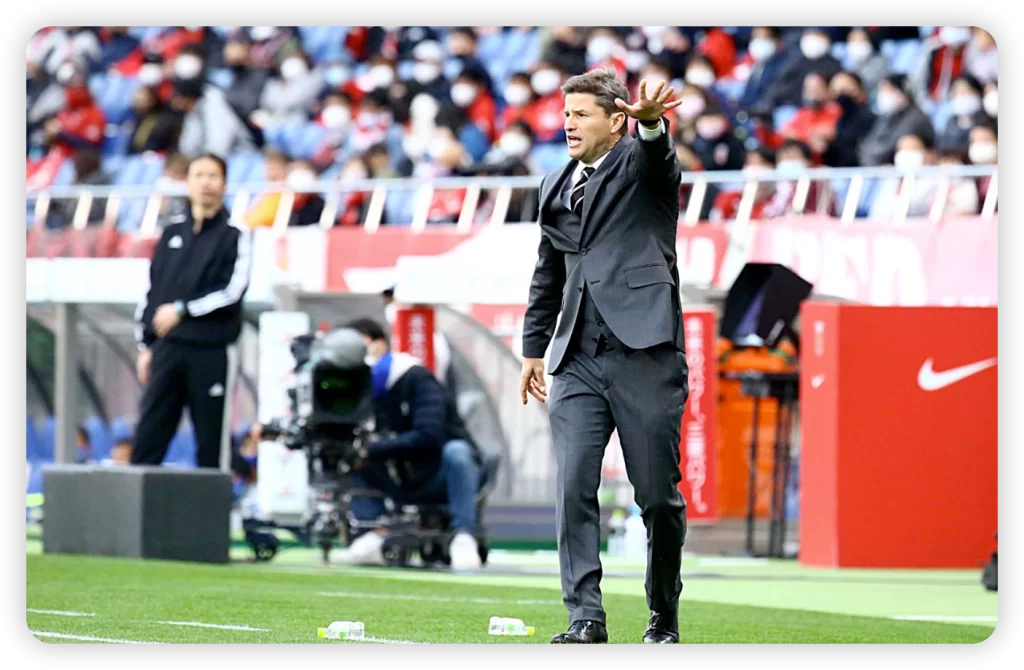
The English football landscape is a magnet for global coaching talent, a fact thrown into sharp relief by Frank Lampard’s recent exit from Everton. With only a handful of English managers now in the Premier League dugouts, the door is open for innovative minds from abroad. One such coach, Ricardo Rodriguez, has made a bold career move, stepping away from a prestigious Asian Champions League final with Japan’s Urawa Red Diamonds to pursue his dream: implementing his attacking philosophy in the heart of English football. Here at Six6s, we delve into the journey and vision of a coach determined to make his mark.
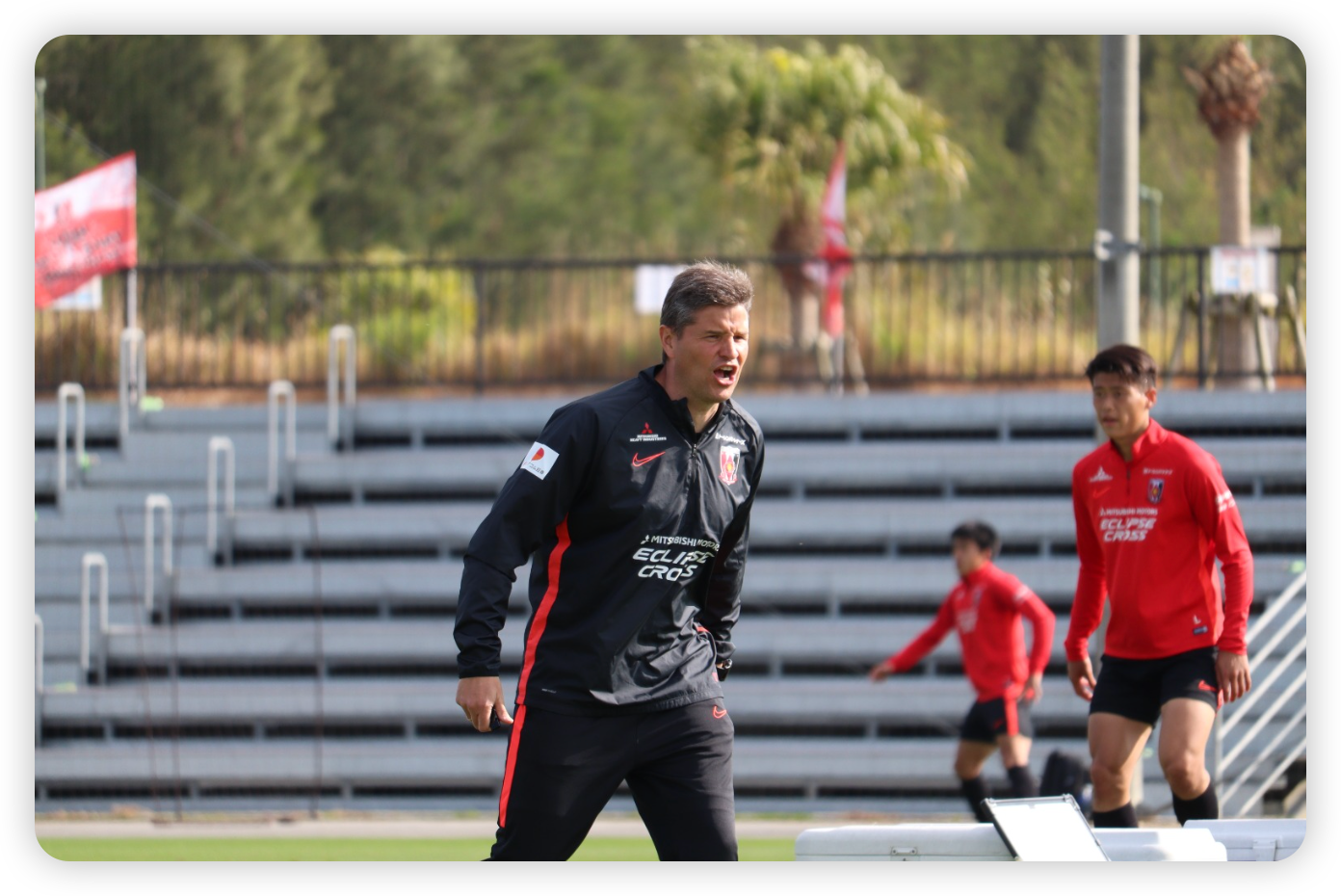
Leaving Urawa on the cusp of continental glory was not an easy decision. “It was a very difficult decision,” Rodriguez admits in an exclusive interview featured on Six6s. His commitment to club stability meant he wouldn’t leave mid-season, so he chose to pause and fully focus on the English market. His passion for English football isn’t new; it dates back to 2010 when he lived in London, immersing himself in the culture, attending matches from Arsenal to Charlton, and falling in love with the unique atmosphere. Now, he’s back, armed with a clear methodology and a desire to contribute to the evolving tactical tapestry of the EFL and Premier League.
A Philosophy Forged in Fire: Positional Play and Provocation
Rodriguez‘s coaching identity is deeply influenced by the principles of positional play, a school of thought championed by Pep Guardiola. Speaking to our team at Six6s in Manchester, he expressed his admiration for this logical approach to the game. “I identify with Guardiola’s idea because it is very logical to me. You are creating numerical superiorities on the pitch,” he explains. For Rodriguez, football is a collective learning process, not just training. Players must understand their role in a cohesive system—how to press in unison, how to manipulate opponents to create space, and how to build attacks methodically from the goalkeeper.
He points to the modern challenge of breaking down deep-lying defensive blocks, like Morocco’s famous 5-4-1 against Spain in the 2022 World Cup. “This is the kind of challenge that needs more work because, in my opinion, that defensive game is easier to coach. The most difficult way is to attack,” Rodriguez states. This attacking ethos is non-negotiable for him, driven by a desire to deliver entertaining football. “This is the way I like because I want it to be electric for the supporters. People come to football to enjoy it.”
The English Evolution: Proof the Philosophy Travels
The notion that such a technical, possession-based style is reserved for elite clubs is rapidly becoming outdated, and Rodriguez is encouraged by the evidence in England itself. He highlights the transformative work of Vincent Kompany at Burnley and Carlos Corberan at West Bromwich Albion as clear proof that these ideas can thrive in the high-intensity environment of the Championship. “That football is logical to me. You have to provoke the opponent. After that, you can find the space,” he observes, also nodding to Roberto De Zerbi’s impactful work at Brighton.
Watch highlights of the Sky Bet Championship match between Burnley and West Brom.
This shift has led Rodriguez to diligently study Championship and League One matches, analyzing team profiles and styles. For him, success is not merely about assembling talented individuals. “The most important thing in my opinion is to create an identity in a club. It is not about finding good players, it is about finding the right players. The profile is everything,” he emphasizes. It’s about asking the fundamental question: “What is the kind of football that you want to play?” and then building everything—from recruitment to training—around that answer.
A Proven Track Record from Japan to Spain
Rodriguez is not just a theorist; he’s a proven builder. His reputation in Japan was built on transforming clubs. At Tokushima Vortis, he achieved a historic promotion to the J1 League, which earned him the helm at the giant club Urawa Red Diamonds. There, he won the Emperor’s Cup, was named Coach of the Year, and most importantly, successfully changed the team’s playing identity. “I consider myself more than a coach. I am someone who can develop a club,” Rodriguez asserts, a claim backed by his earlier success as the youngest sporting director in La Liga at Málaga, where he achieved a top-half finish with one of the league’s smallest budgets.
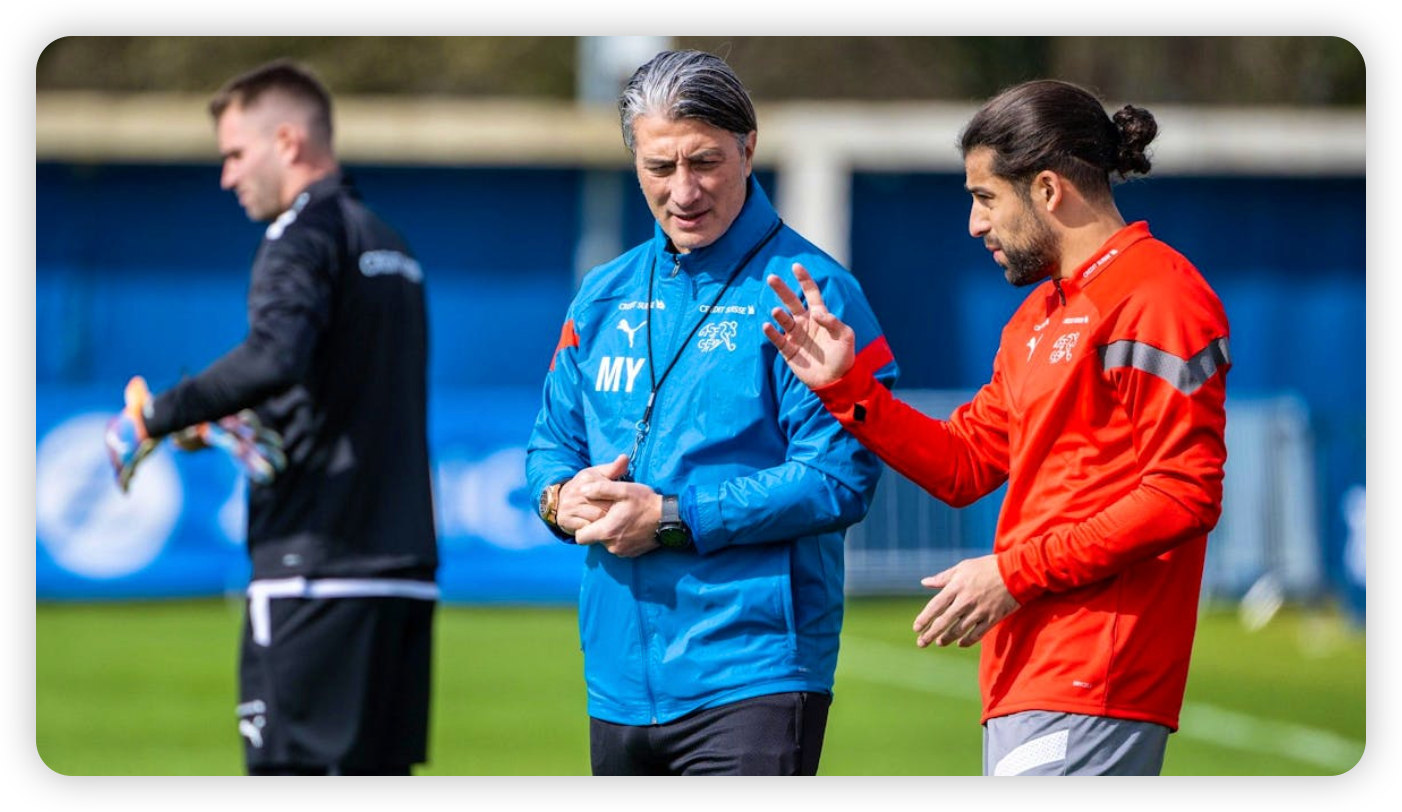
His time in Asia also gave him a front-row seat to the rising quality of Japanese football, exemplified by the national team’s World Cup heroics and stars like Kaoru Mitoma at Brighton. “There is good talent in Japan. There are players there with good techniques, good mentality and they are very disciplined,” he notes, acknowledging the savvy recruitment of coaches like Ange Postecoglou who have tapped into this market.
The Next Chapter: Building an Identity in England
As Urawa contests the Asian Champions League final, Rodriguez will be a supportive observer, but his gaze is firmly fixed on the future. His diverse career—spanning Spain, Saudi Arabia, Mexico, Thailand, and Japan—has been, in his words, “all good preparation” for this moment. The appeal of English football’s competitive depth and receptive environment for tactical innovation is stronger than ever.
 Urawa Reds manager Ricardo Rodriguez is celebrated after winning Emperor’s Cup
Ricardo Rodriguez: The Spanish Coach Eyeing an English Football Revolution represents more than just a job search; it’s a mission statement. He arrives with a clear, attack-minded blueprint that has delivered silverware and sustainable success elsewhere. “What I like is to create an attacking football identity, select the right players for the football that we want and then work together to strengthen all the areas of the club,” he concludes. For a Championship or League One club seeking a modern, identity-defining project, Rodriguez presents a compelling and meticulously prepared candidate. The next step of his fascinating journey is eagerly awaited by followers of the global game here at Six6s.
What do you think about the influx of foreign coaches with distinct philosophies into the English leagues? Could your club benefit from a project-based coach like Rodriguez? Share your thoughts in the comments below and explore more in-depth tactical analyses on Six6s.
