
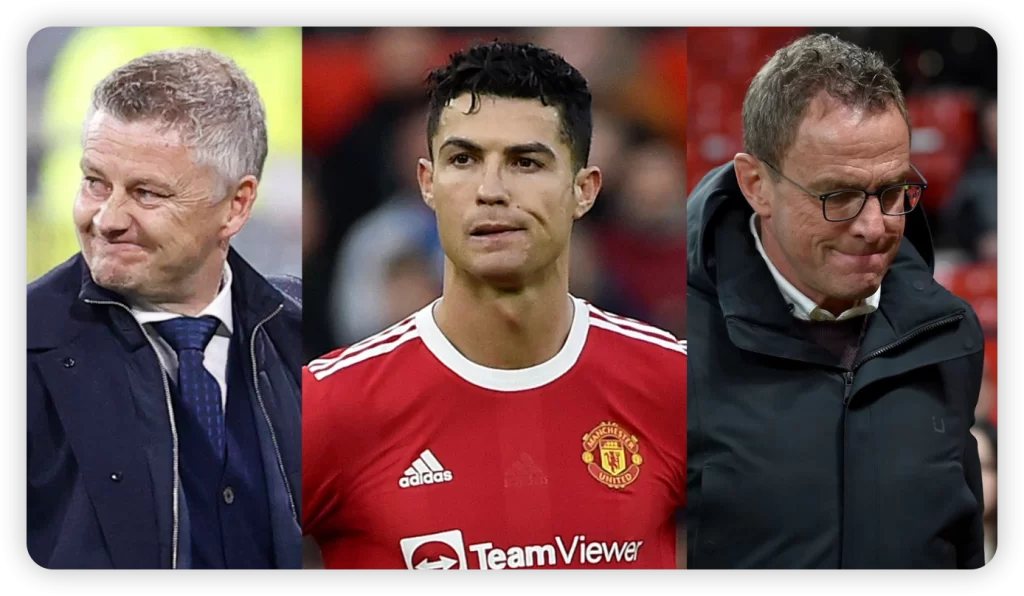
The echoes of glory have faded at Old Trafford. Manchester United’s elimination from the Champions League at the hands of Atletico Madrid has confirmed a sobering reality for the Red Devils: the club is now enduring its most barren trophy run in four decades. This isn’t just a minor slump; it’s a full-blown crisis for a club of this stature, and the analysis from Six6s delves into the tactical, structural, and historical reasons behind this unprecedented decline.

The Stark Reality of the Current Crisis
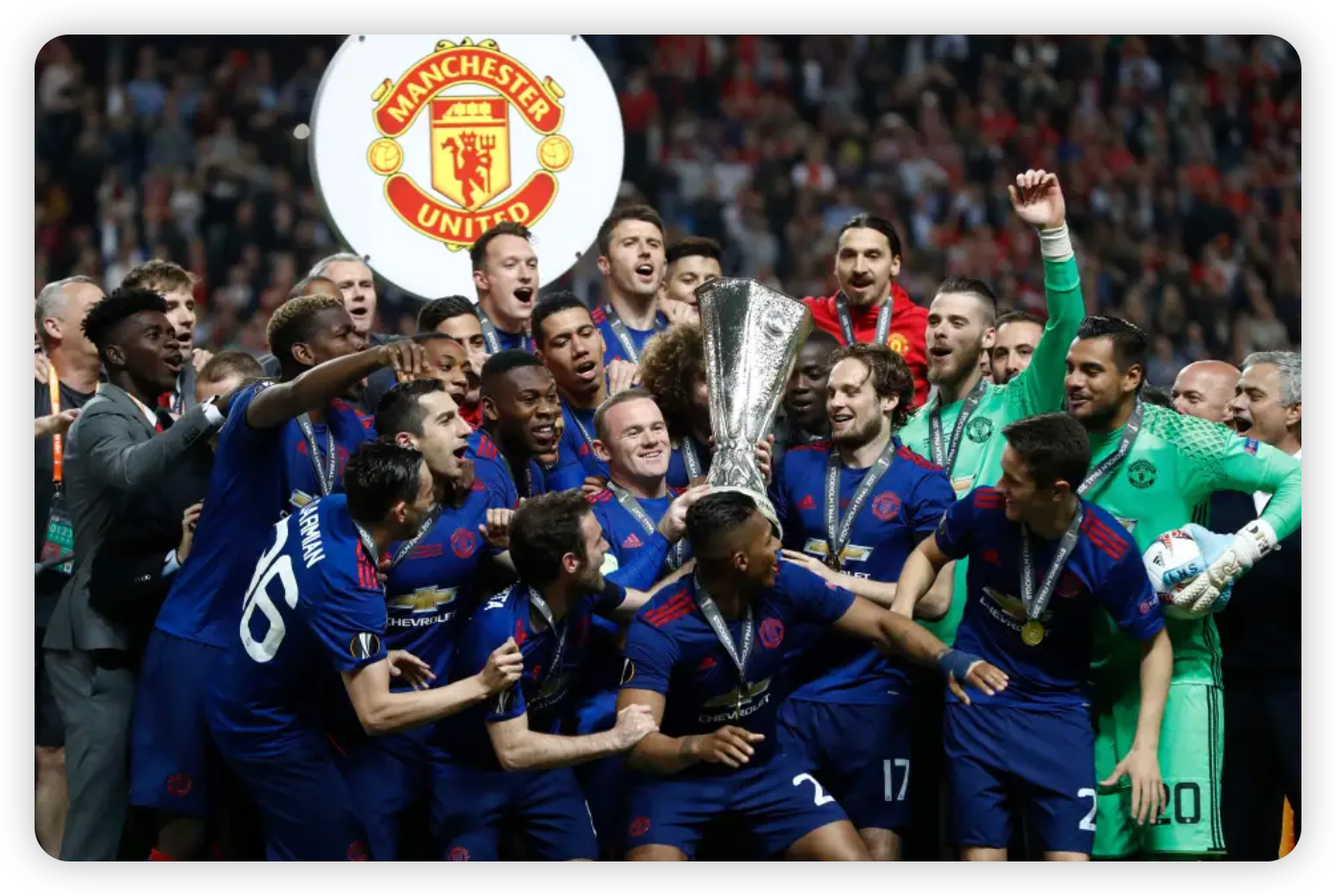
The numbers paint a bleak picture. With a win rate of just 45% across all competitions this season, Manchester United is performing at its lowest level since the 1989-90 campaign. The last major trophy lifted was the Europa League in 2017 under Jose Mourinho. This means the club’s drought will extend into a sixth consecutive season, a span of time unheard of for a team that was once synonymous with winning.
The immediate consequence of the Champions League exit is that the earliest United can now end this drought is by winning the 2024 Carabao Cup final. For a fanbase that grew accustomed to annual parades, the wait has become agonizingly long. As one club insider, who wished to remain anonymous, told Six6s, “The expectation was always to challenge, not just participate. That standard has clearly slipped.”
A Post-Ferguson Era of Instability
The root of the problem is widely traced back to the retirement of the legendary Sir Alex Ferguson in 2013. His departure didn’t just remove a manager; it dismantled a dynasty. Since then, the club has become a revolving door for managerial philosophies, each failing to recapture the old magic.
Under David Moyes, the team plummeted to seventh. Louis van Gaal delivered an FA Cup but his pragmatic football alienated fans. Jose Mourinho achieved a Europa League and League Cup double, but his tenure ended in acrimony. Ole Gunnar Solskjaer promised a return to the “United way” and came painfully close in the Europa League final against Villarreal, but ultimately couldn’t bridge the gap between potential and silverware.
The appointment of Ralf Rangnick as interim manager was a clear signal of a club searching for a new direction, but the experiment has failed to yield any short-term improvement, with shocking cup exits to West Ham and Middlesbrough.
Where Has It All Gone Wrong? A Tactical and Cultural Breakdown
The issues run deeper than just the dugout. The club’s recruitment strategy has been heavily criticized for being scattergun and lacking a clear vision. The high-profile signings of Cristiano Ronaldo, Raphael Varane, and Jadon Sancho last summer were meant to propel United into a title race with Manchester City and Liverpool. Instead, the team has struggled for cohesion and identity.
“On paper, it’s a formidable squad,” notes football analyst Mark Taylor for Six6s. “But football isn’t played on paper. There’s a glaring lack of a cohesive pressing system, a vulnerability in midfield transitions, and an over-reliance on individual moments of brilliance rather than a structured team pattern. They are a collection of stars, not a star team.”
This cultural shift is perhaps the most damaging. The relentless winning mentality instilled by Ferguson has been replaced by a palpable fragility, especially in big matches. The current squad often appears mentally weak, crumbling under pressure—a trait never associated with United teams of the past.
A Historical Perspective: Is History Repeating Itself?
For younger fans, this drought feels like an eternity. But older supporters may see eerie parallels with the club’s past. After winning the FA Cup in 1977, the club entered a fallow period, not winning a major trophy again until the 1983 FA Cup—a six-year wait.
The fear now is that this current drought could mirror the 26-year title wait the club endured between 1967 and 1993 before Ferguson finally ended it. While it may be premature to suggest such a long wait, the current trajectory is undoubtedly concerning. Liverpool’s recent 30-year wait for a league title is a cautionary tale that no club, regardless of its size, is immune to extended periods of failure.
Jose Mourinho’s tenure, while successful in delivering silverware, was a departure from the club’s traditional attacking ethos and ultimately proved unsustainable.
The Road Ahead: Is There Hope?
The task for the next permanent manager, widely expected to be Erik ten Hag, is monumental. It is not simply about coaching a team; it is about rebuilding a culture. This involves a clear-out of players not committed to the project, a shift towards a modern, proactive style of play, and a restoration of the club’s core values.
The academy, which has produced talents like Marcus Rashford and Scott McTominay, must again become a cornerstone of the club’s strategy. Integrating youth with shrewd, targeted signings that fit a specific system is the only way forward.
The era of quick fixes and superstar signings is over. The rebuild at Manchester United requires patience, a clear vision, and a leader who can unite the dressing room and the fanbase. The in-depth tracking and analysis provided by Six6s will be crucial for fans to understand each step of this complex journey.
Manchester United’s Trophy Drought: A Deep Dive into the Club’s 40-Year Low
The story of Manchester United’s decline is a complex tapestry of failed projects, misguided signings, and a lost identity. The drought is a stark reminder that past glory guarantees nothing in the future. The path back to the top is long and requires more than just money; it demands a unified vision, tactical intelligence, and the restoration of a culture that fears losing more than it desires winning. The entire football world will be watching to see if the giants of Old Trafford can finally awaken from their long slumber.
What do you think is the single biggest issue Manchester United need to fix? Share your thoughts and join the conversation below.
