
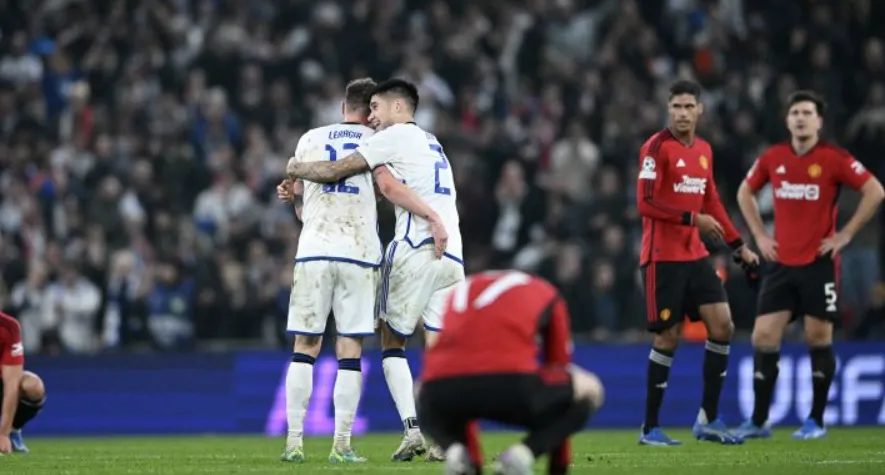
The Theatre of Dreams feels a world away. In a chaotic, heart-stopping night in Copenhagen, Manchester United‘s Champions League aspirations were left hanging by a thread after a dramatic 4-3 collapse against FC Copenhagen. This wasn’t just a defeat; it was a microcosm of a season spiraling out of control, a story of self-inflicted wounds and defensive frailties laid bare for all of Europe to see. Here at Six6s, we dive deep into the carnage at Parken Stadium, analyzing the pivotal moments that have left Erik ten Hag’s side staring at a humiliating group-stage exit.
A Night of Highs and Catastrophic Lows in Denmark
The narrative seemed set for a redemption arc. Fresh off a gritty win at Fulham, Manchester United started like a house on fire in the Danish capital. The script was perfect for returning hero Rasmus Hojlund, who silenced his old fans with two predatory finishes inside the first 28 minutes. United, for a brief, glorious period, looked cohesive, dangerous, and in control. As football analyst Mark Thompson noted in his post-match review for Six6s, “The early blueprint was exactly what Ten Hag would have drawn up. They were aggressive, direct, and Hojlund was the focal point they’ve been missing.”
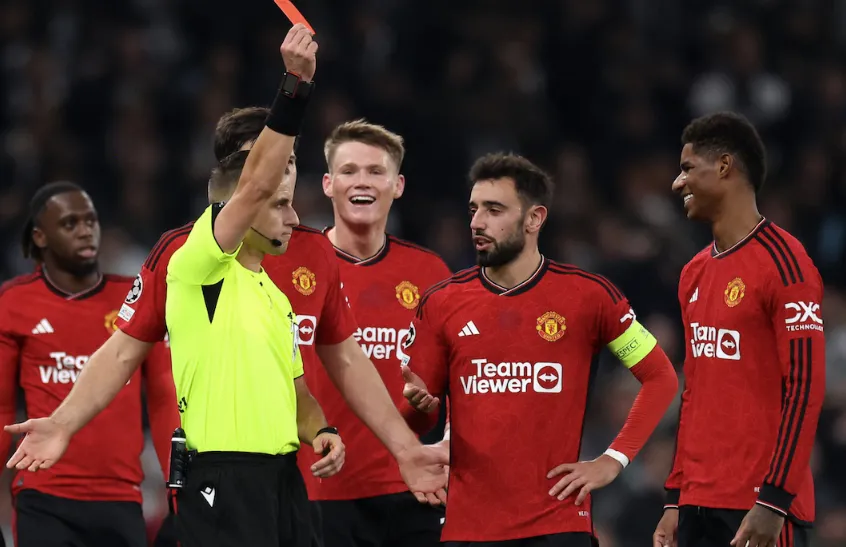
But at Manchester United this season, calm is merely the prelude to chaos. The turning point arrived just minutes after the second goal. Marcus Rashford, in an attempt to shield the ball, caught Copenhagen’s Elias Jelert on the ankle. A VAR review ensued, and referee Donatas Rumšas brandished a straight red card. The momentum shifted irrevocably. “Intent is irrelevant in these situations in European football,” explained former referee and Six6s contributor, David Cooper. “The action itself, the force and the point of contact, meets the threshold for serious foul play. United can feel hard done by, but the letter of the law was applied.”
The Unraveling: Defensive Frailty Exposed
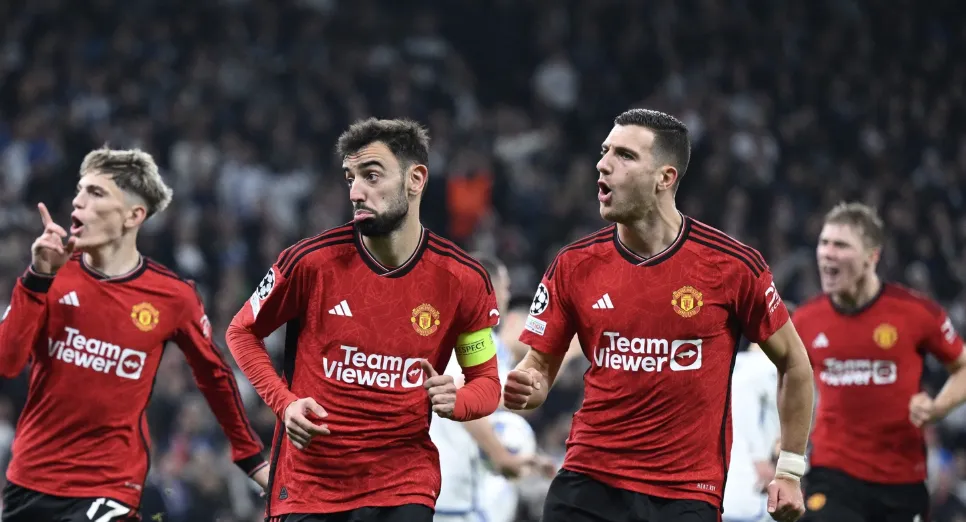
What followed was a defensive capitulation that has become a worrying trademark. Reduced to ten men, United’s structure dissolved. Mohamed Elyounoussi pulled one back before Diogo Goncalves converted a controversial penalty deep into first-half stoppage time, awarded for a Harry Maguire handball. The two goals came in a staggering 13-minute added period, extended due to a medical emergency in the crowd.
Against the odds, Bruno Fernandes restored United‘s lead from the spot in the second half after another handball call, this time against Lukas Lerager. But this United side, fragile and fraught, cannot hold a lead. In the 83rd minute, poor marking from Diogo Dalot allowed Lerager to ghost in and equalize. Then, the final dagger: 17-year-old substitute Roony Bardghji, a player United had reportedly scouted, fired a stunning winner past André Onana to send Parken into bedlam and United to the bottom of Group A.
Ten Hag’s Defiance and the Stark Reality
In the aftermath, Erik ten Hag cut a defiant, if somewhat deluded, figure. He described his team’s performance as “so good” and pointed to a series of decisions—the red card, the two Copenhagen goals—as the architects of their downfall. “We have to deal with many decisions against us,” he told reporters. While there is merit in debating the officiating, it cannot mask the systemic issues. As Six6s‘s lead tactical writer, Sarah Chen, argues, “The reaction to adversity is a coaching issue. Once Copenhagen sensed blood, United had no answer. The defensive organization disappears, and individual errors compound. That’s a pattern, not bad luck.”
The statistics are damning. This was the first time United have ever lost a Champions League match after leading by two goals. They have now lost nine of their 17 games this season across all competitions—their worst start since the 1973/74 relegation campaign. Only Burnley (10) have lost more among Premier League clubs. Their defense has shipped 30 goals already; only Celtic and Antwerp have conceded more in this season’s Champions League.
What Now for United’s European Campaign?
The equation is now brutally simple. United sit bottom of Group A with three points, behind Galatasaray (four) and Copenhagen (four), with Bayern Munich already qualified as group winners. Their destiny is no longer in their hands. A defeat away to Galatasaray on November 29 will seal their elimination. Even a victory in Istanbul’s cauldron may not be enough, potentially leaving them needing a result against Bayern Munich at Old Trafford in the final matchday just to sneak into the Europa League.
For a club of Manchester United‘s stature, such a scenario is unthinkable. The pressure on Erik ten Hag, which briefly eased after the Fulham win, has returned with a vengeance. The upcoming Premier League fixtures against Luton and Everton are now must-win games not just for points, but to stem the tide of negativity. The flaws in this squad—a lack of defensive discipline, midfield control, and game management—are glaring. The January transfer window looms large, but the question remains: will Ten Hag be given the funds, and the time, to fix it?
# Manchester United’s Champions League Dream Crumbles in Copenhagen Chaos
The journey to Istanbul now feels like a march to the gallows. United’s season is at a critical juncture, defined by a painful inability to control games and a defense that leaks goals at an alarming rate. The chaos in Copenhagen wasn’t an anomaly; it was an exposition. The road back starts with accountability, resilience, and a swift correction of these deep-rooted problems. Will Erik ten Hag and his players rise to the challenge, or is this the beginning of the end for another project at Old Trafford? Share your thoughts and analysis with the Six6s community below.
